 Weather today
EU sets up post-2013 crisis fund; ECB ups capital

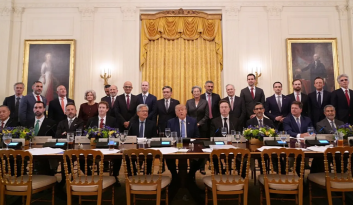
European Union leaders have agreed to create a permanent financial safety net from 2013 and the European Central Bank moved to increase its firepower to fight the debt crisis that has rocked the euro zone, Reuters reported.
But at Germany's insistence, the 27 leaders said the long-term crisis-resolution mechanism, to be added to the EU's governing treaty, would only be activated "if indispensable to safeguard the stability of the euro as a whole."
They also decided there was no need to increase an existing temporary rescue fund, which some analysts say could be insufficient if Spain and Portugal need EU/IMF bailouts after Greece and Ireland, nor did they discuss using it more flexibly.
The decision not to enlarge or even discuss enlarging the existing fund could be taken by financial markets as a sign of division, potentially provoking more market uncertainty.
"The decision taken was that there will be no enlargement or deepening of the funding means at the disposal of the EFSF," said Luxembourg's Prime Minister Jean-Claude Juncker, referring to the existing European Financial Stability Fund.
But leaders said they were prepared to do whatever it takes to protect the euro, a position they have reiterated for months.
"The heads of state and government of the euro zone stand ready to do whatever is necessary to ensure the stability of the euro zone as a whole," European Council President Herman Van Rompuy told a news conference after chairing the first day of a two-day EU summit.
The ECB, in charge of monetary policy in the 16-nation euro area, said it would almost double its capital to 10.76 billion euros to cope with bigger credit risk and market volatility. Euro zone members will provide the increase.
ECB President Jean-Claude Trichet told reporters the central bank's governing council thought it was appropriate to make "additional provisioning" - a veiled reference to potential losses on euro zone sovereign bonds it has bought.
IMF Managing Director Dominique Strauss-Kahn, who has been critical of EU leaders' disjointed response to the rolling crisis, said he was concerned about slow growth and the threat of contagion in Europe.


 Studio One