 Weather today
Another batch of electric fences reaches farmers

Environmental problems can be solved through the adoption of green technologies. Since 2019, Viva-MTS and the Foundation for the Preservation of Wildlife and Cultural Assets (FPWC) have been actively engaged in targeted projects in this area. In biodiversity-rich habitats, unexpected encounters with wild animals can occur. To assist farmers in such communities, the partner organizations have been leveraging green technologies, such as electric fences.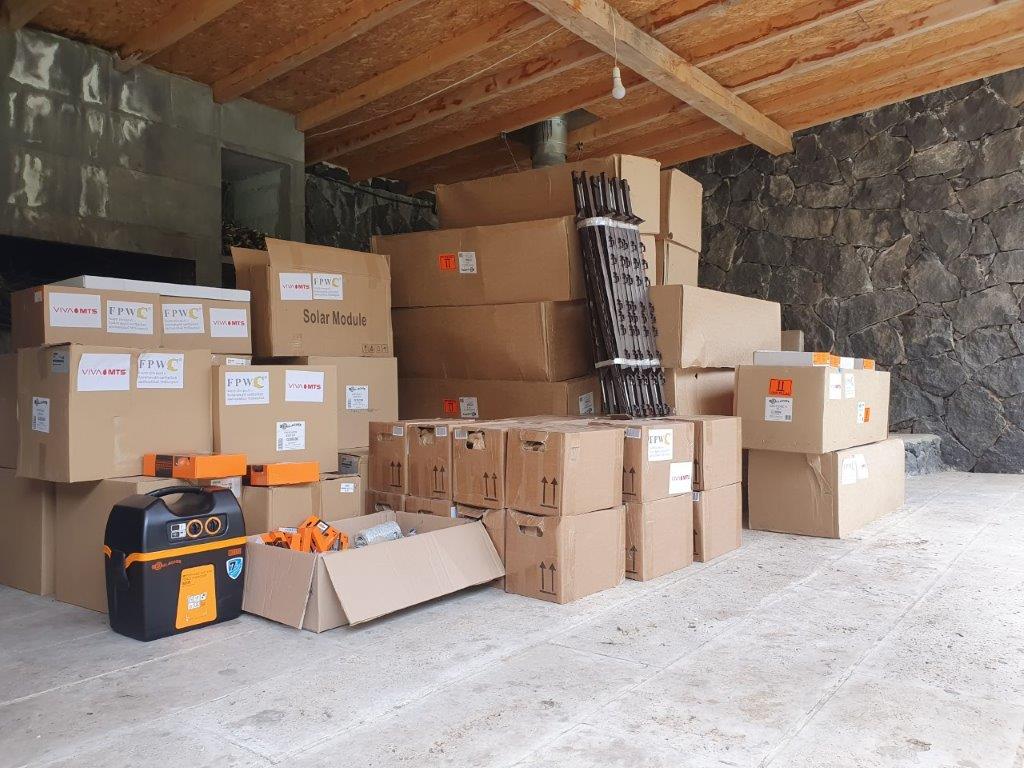
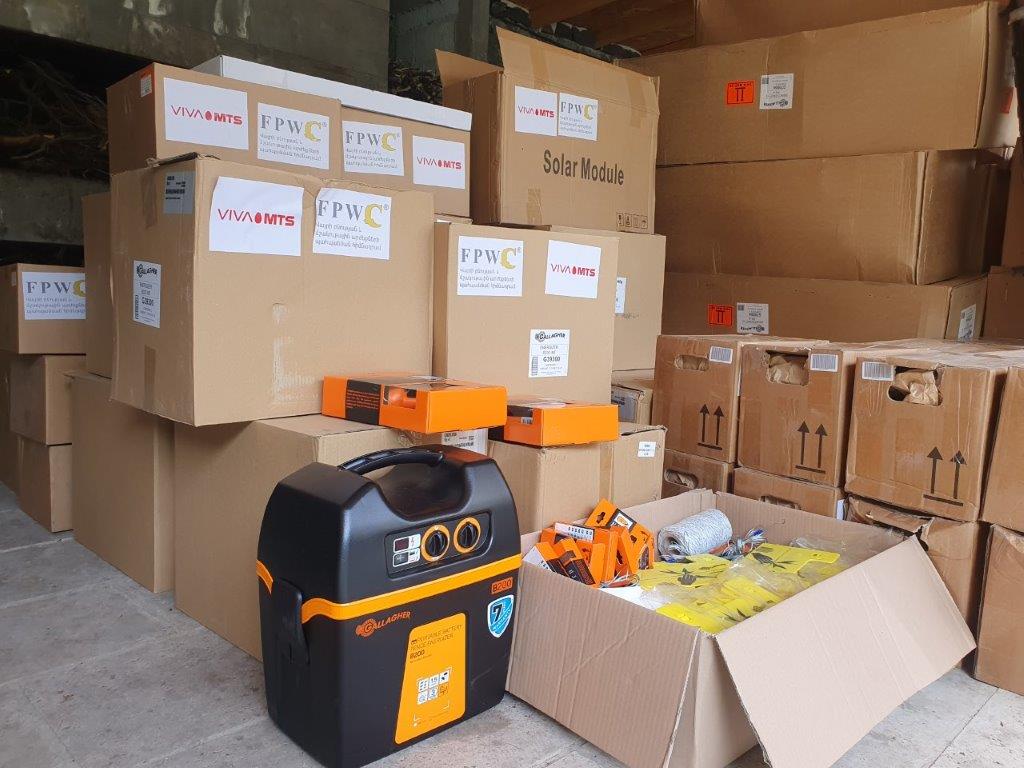
Each of the 20 specialized electric fences is capable of monitoring a 1-hectare area. The urgency of this solution is underscored by the stark realities faced in the region. Recent years have seen local farmers suffer losses of beehives and cattle due to bears approaching settlements and searching for food. In the Yeghegis Gorge, sightings of bears have been reported, even during the morning hours. Farmers who have embraced the innovative solar-powered fences have witnessed a remarkable shift. They have successfully shielded their crops from animal intrusions, without causing harm to them. 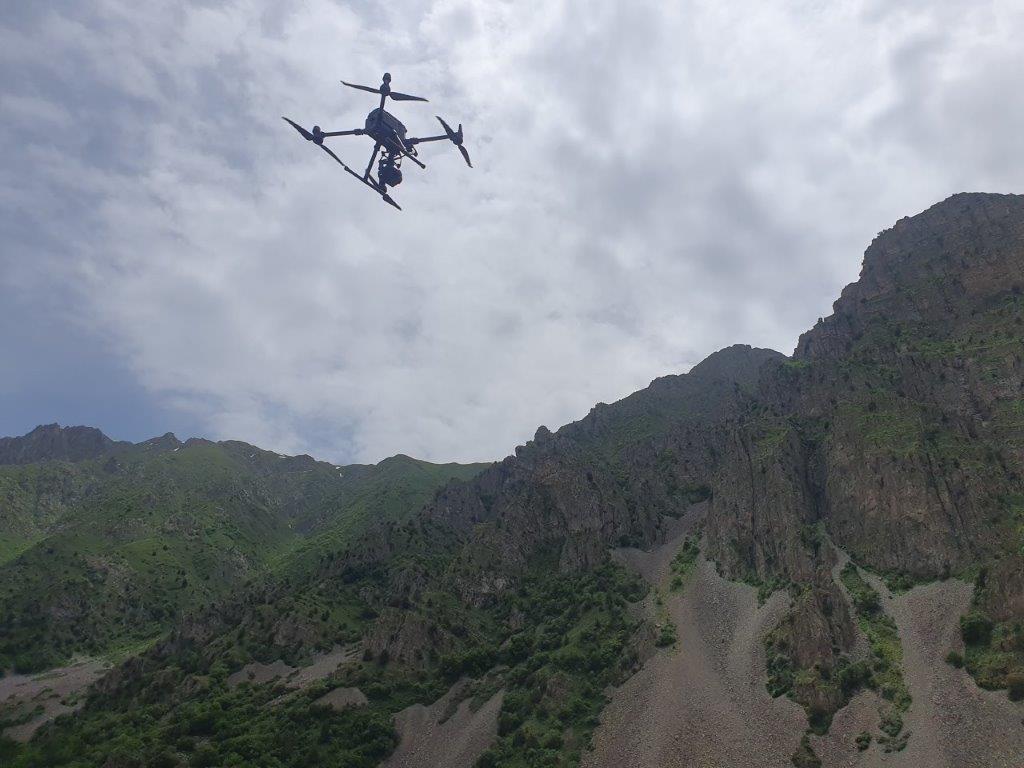
“Making green technologies serve nature and humanity is a strategic approach for us. It enables us to solve many problems through modern solar-powered technologies, including supporting sustainable development, reducing environmental risks, developing farming. Green thinking has become one of the primary and essential imperatives of the century. This is a project the results of which are long-term and invaluable. I am pleased with the journey we have passed together with our partners and our shared successes,” Viva-MTS General Director Armen Avetisian said. 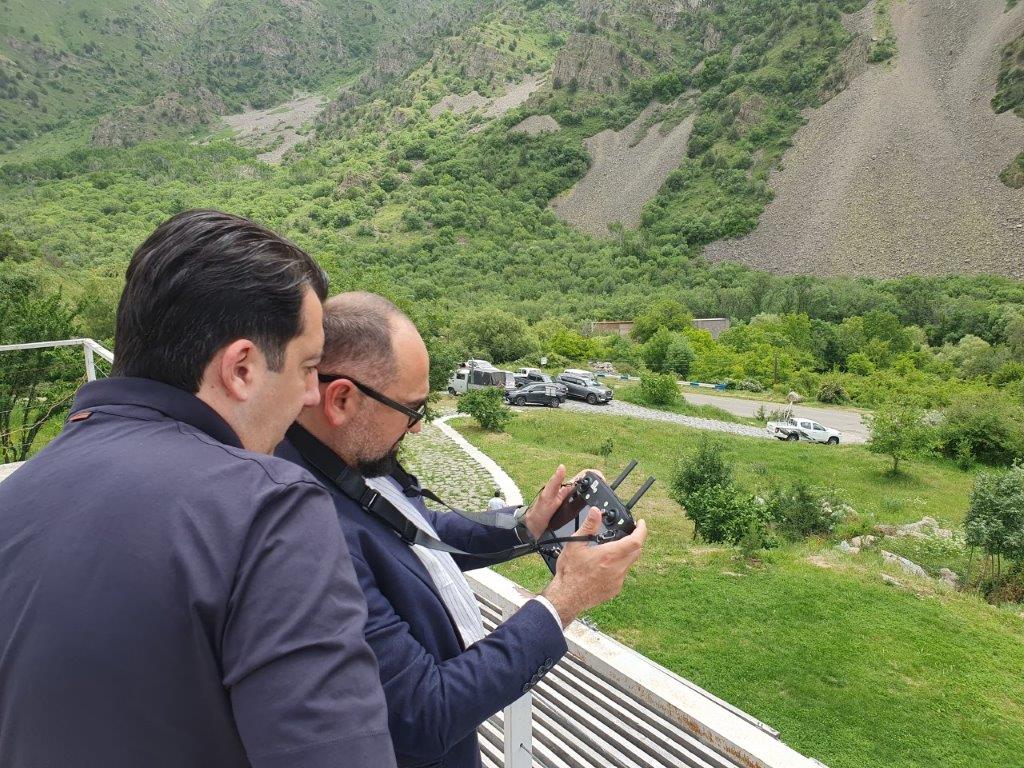
“Making green technologies serve nature and humanity is a strategic approach for us. It enables us to solve many problems through modern solar-powered technologies, including supporting sustainable development, reducing environmental risks, developing farming. Green thinking has become one of the primary and essential imperatives of the century. This is a project the results of which are long-term and invaluable. I am pleased with the journey we have passed together with our partners and our shared successes,” Viva-MTS General Director Armen Avetisian said.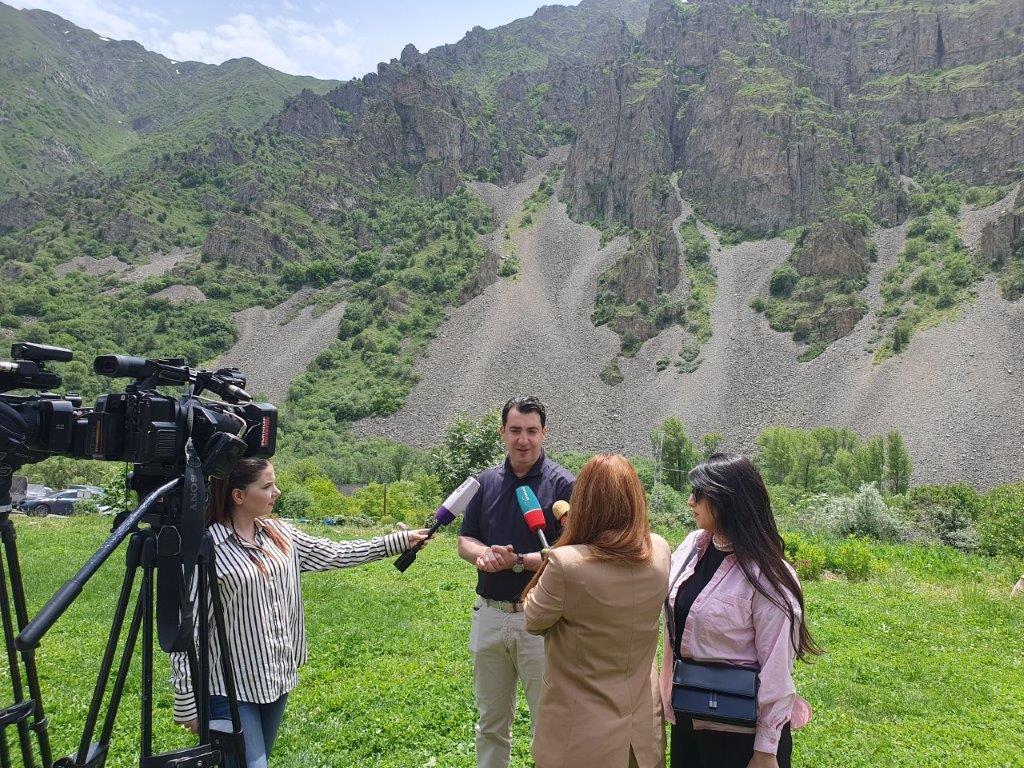
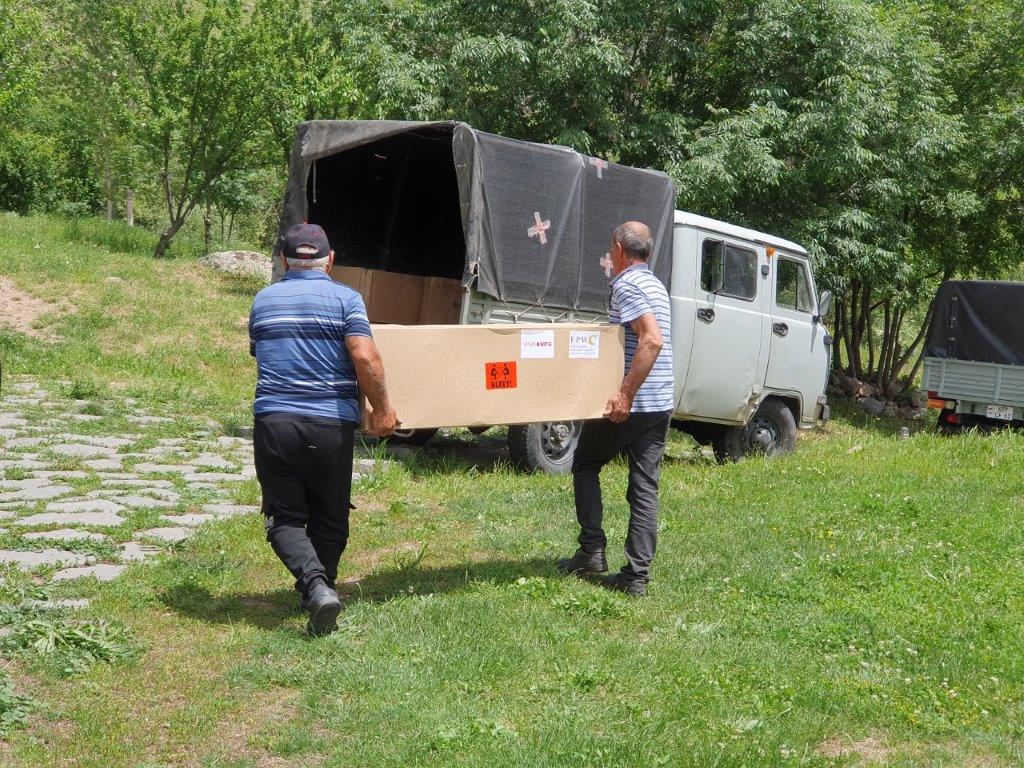
Since 2019, the desire for a sustainable and green future has united the efforts of Viva-MTS and the FPWC. They donated 10 electric fence systems to the communities of Areni, Yeghegis, Vayk, Gladzor, and Yeghegnadzor. In subsequent years, the partner organizations expanded their support by including Ararat Region in the program. By 2023, they had provided 30 electric fences. Thanks to the latest batch donated, 20 more farmers can now benefit from these electric fences. As part of the partner organizations’ joint project, the number of electric fences using green technologies has reached 50 since 2019. The total fenced area covered by them is 475,000 square meters.
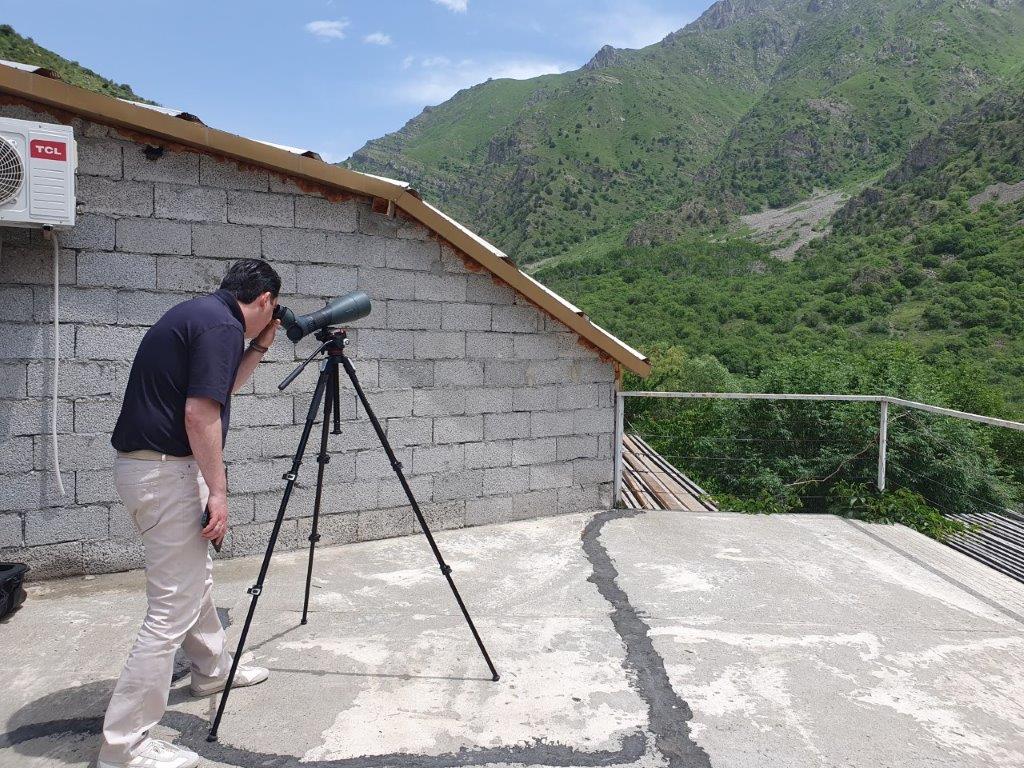
“Today, with the support of Viva-MTS, the FPWC has taken another important step in addressing the human-wildlife conflict - an issue we have been focused on for years. Our primary goal is to find sustainable solutions that are rooted in local knowledge and cause no harm to nature or the animal world. It is crucial that people work and live safely in their settlements, also appreciate the rich natural environment that surrounds them and understand its importance while avoiding any harm to it. The recent appearance of bears in these communities is not a coincidence, but rather a consequence of human activity: shrinking territories of animals and their food sources, as well as impacts of climate change.
We will continue to conduct extensive research on these effects, as this work will undoubtedly be invaluable in finding lasting solutions to the human-wildlife conflict,” Ruben Khachatryan, Director of the Foundation for the Preservation of Wildlife and Cultural Assets, said.
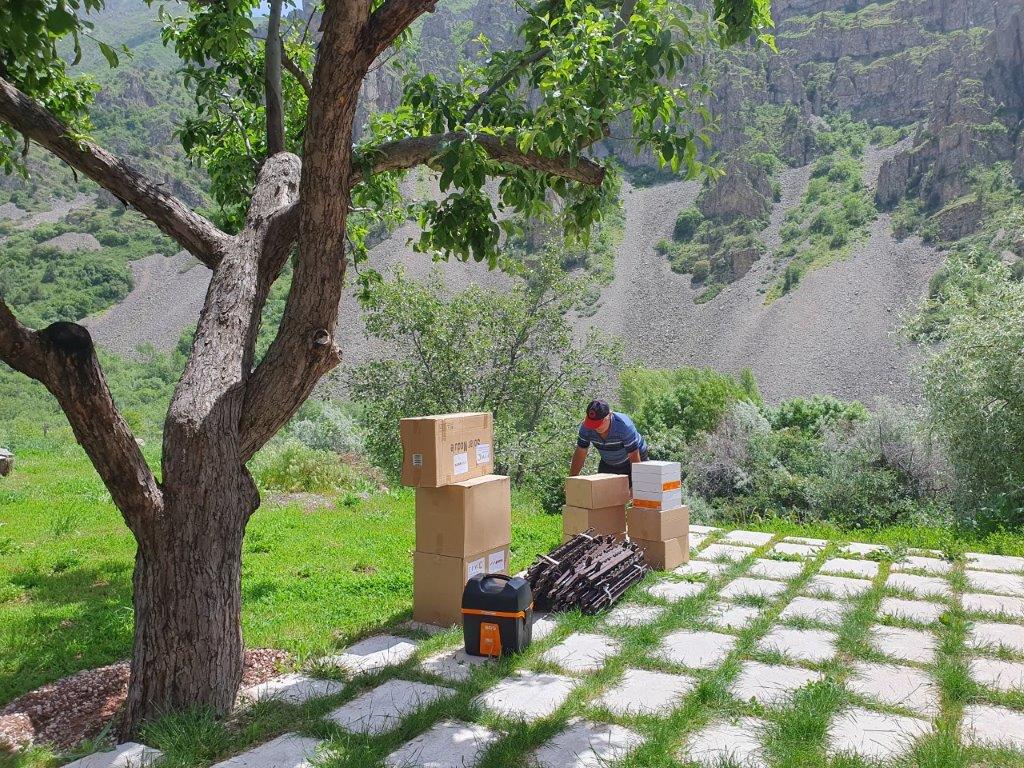
Electric fences operate using high voltage but low amperage. The animals are not physically harmed, but they experience discomfort, deterring them from approaching the fenced areas.





 Studio One