 Weather today
Aid crisis on Libya's west border

The situation on Libya's border with Tunisia has reached crisis point, as tens of thousands of foreigners flee unrest in the country, the UN says.
Aid staff are battling to cope with an exodus that has seen some 140,000 people crossing into Tunisia and Egypt, according to the BBC News.
Libyan leader Col Muammar Gaddafi has played down protests in the country and insisted that all his people love him. His comments came amid reports that he is attempting to regain control of rebel areas in western Libya.
Col Gaddafi is facing a massive challenge to his 41-year rule, with protesters in control of towns in the east.
Witnesses said pro-Gaddafi forces tried to retake the western cities of Zawiya, Misrata and Nalut on Monday but were repulsed by rebels helped by defecting army units.
There are fears in Zawiya that the city may be attacked from the air, but the rebels remained defiant. "We're not here for power, authority or money," they said in a message aimed at Col Gaddafi.
"We are here for the cause of freedom and the price we are willing to pay is with our own blood. It's victory or death."
Protesters holding Nalut and the town of Zintan, 145km (70 miles) south-west of Tripoli, both reported the approach of Gaddafi forces and said they feared fresh attacks.
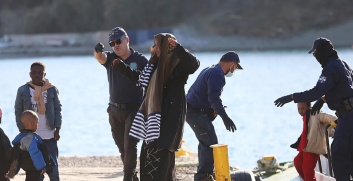
Melissa Fleming, a spokeswoman for the UN High Commissioner for Refugees, said 70-75,000 people had fled to Tunisia since violence began in Libya on 20 February. A similar number have gone to Egypt, where most have been able to continue their journeys onward.
"Our staff on the Libya-Tunisia border have told us this morning that the situation there is reaching crisis point," she told the AFP news agency.
About 2,000 people are crossing into Tunisia every hour but once in Tunisia many of them have nowhere to go. Another 20,000 are said to be backed up on the Libyan side. Most are Egyptian, but there are also significant numbers of Chinese and Bangladeshis.
There are also concerns about thousands of registered refugees from Iraq, Somalia and Sudan, many of whom have said they feel trapped, threatened and hunted.







 Studio One