 Weather today
Leopard's bone, eagle's wing and someone else's foot accompanied a 12,000-year-old shaman into afterlife

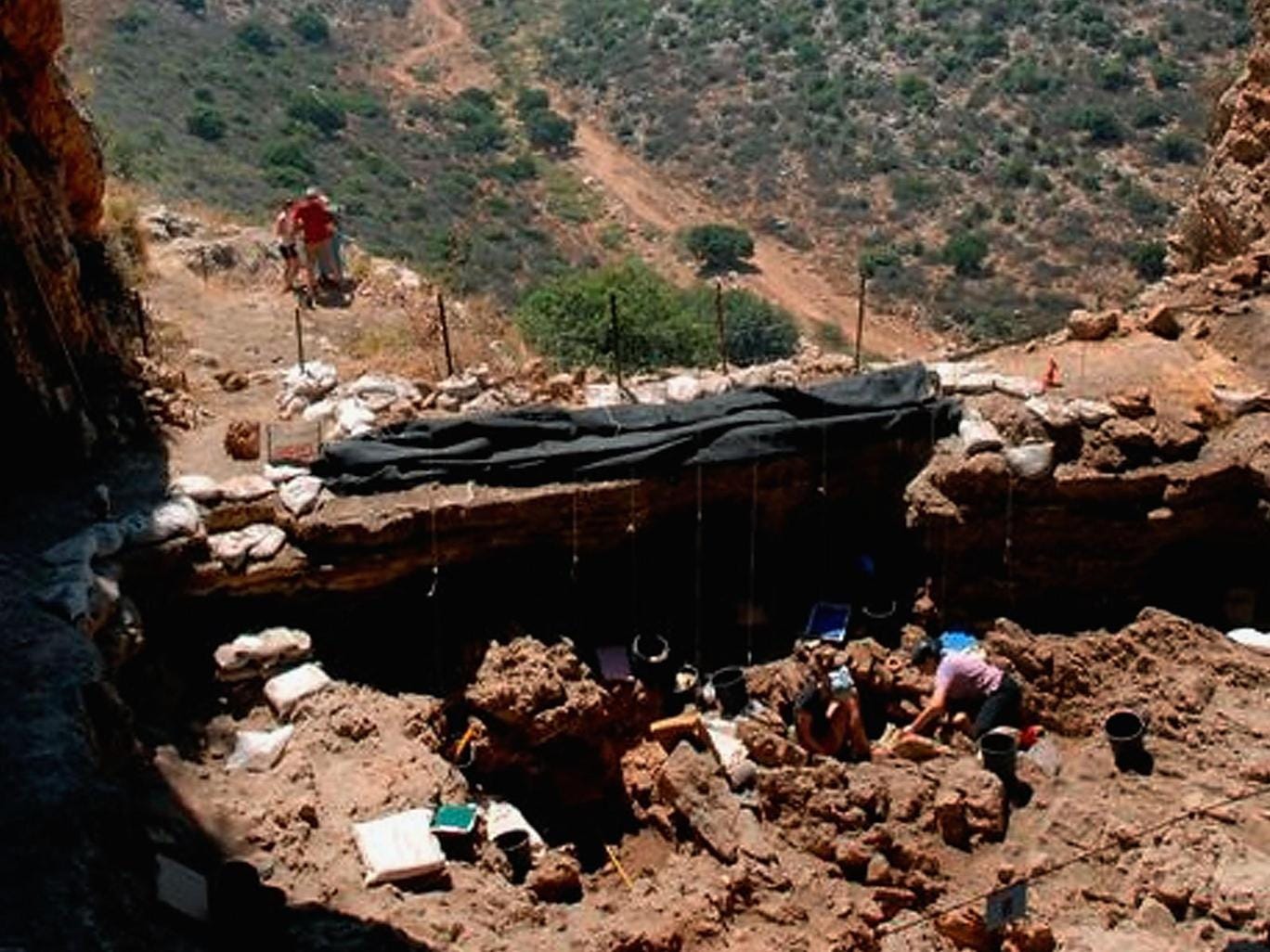
The 12,000-year-old grave of a female shaman has been unearthed by archaeologists in northern Israel, providing a new insight into religious practices in the prehistoric world, the Independent reports.
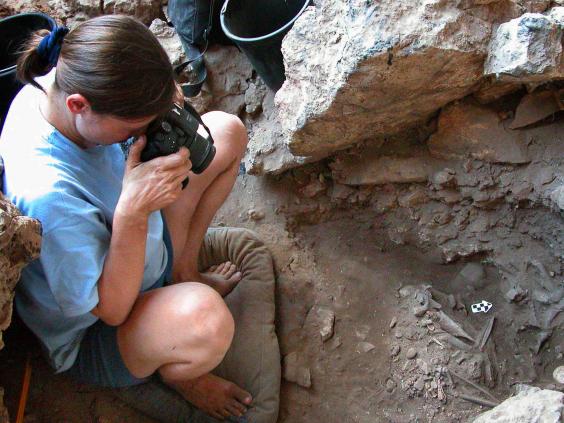
The woman's remains were buried in the tomb at Hilazon Cave in Galilee along with a human foot, an eagle’s wing, a leopard’s pelvic bone and 86 tortoise shells.
An archaeological team organised by Professor Leore Grosman, of Jerusalem University, and Professor Natalie Munro, of Connecticut University, said the shaman’s burial could help understand what life was like in the late Natufian era.
The team attempted to re-enact the woman’s meticulously prepared, four-stage funeral ceremony, which would have taken place at a time when humans were beginning to give up a hunter-gatherer lifestyle and live in farming communities. The Natufian culture existed roughly between 10,800 and 9,500 BC.
Professor Grosman said: “The remnants of a ritual event at this site provide a rare opportunity to reconstruct the dynamics of ritual performance at a time when funerary ritual was becoming an increasingly important social mediator.
“We’ve assigned the event to stages based on field notes, digitized maps, stones, architecture and artifact frequency distributions and concentrations.
“The significant pre-planning implies that there was a defined ‘to do’ list, and a working plan of ritual actions and their order.”
A total of 28 bodies were excavated from the cave at Hilazon Tachtit, with the shaman’s remains being the most notable in archaeological terms.








 Studio One