 Weather today
Martin Schulz steps down, fuelling German, EU reshuffles

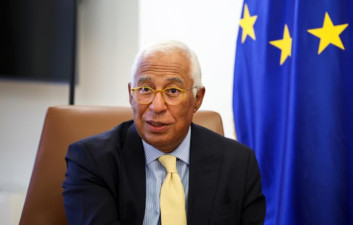
European Parliament President Martin Schulz is returning to German politics, raising the prospect he may challenge Angela Merkel as chancellor and prompting speculation of a reshuffle in European Union institutions.
Schulz, a Social Democrat, told a news conference he would not stand for re-election as speaker of the EU legislature and instead campaign for a parliamentary seat in Berlin next year.He made no comment on speculation he may succeed departing German Foreign Minister Frank-Walter Steinmeier or become the Social Democrat SPD's candidate to challenge the conservative Merkel's bid for a fourth term as chancellor in September's parliamentary election, Reuters reports.
Schulz, 60, had been pushing for a third 30-month term as EU parliament president in defiance of a deal that he make way for a speaker from the center-right, the chamber's biggest group.
Should the conservatives, who have formed an effective grand coalition in Brussels with Schulz's center-left, claim the presidency in January, all three main EU political bodies would be headed by the center-right - a possibility that has raised talk of change at the European Commission and European Council.
Commission President Jean-Claude Juncker had pressed his fellow conservatives in Parliament to let Schulz stay on in the interests of stability following Britain's vote in June to leave the bloc. He denied earlier this week that he had threatened to resign himself if Schulz were forced out.
Luxemburger Juncker, who said on Thursday he regretted Schulz's departure, has a five-year mandate running until October 2019. Council President Donald Tusk, the former Polish prime minister who will chair Brexit negotiations, has a 30-month mandate that expires in May.
He has broad support among member governments to stay on - though not from his home country, where his opponents are now in power. He has not publicly stated whether he plans to continue.






 Studio One