 Weather today
Christian minority religious groups continue to worship freely in Armenia – US Department of State

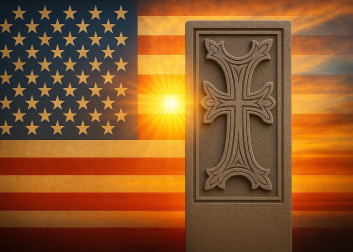
The Constitution of Armenia states that everyone has freedom of thought, conscience, and religion. The constitution recognizes the Armenian Apostolic Church (AAC) as the national church and preserver of national identity, but also establishes separation of “religious organizations” and the state.
Religious minority groups stated they were particularly concerned with the potentially negative effect on minority religious groups of a draft law on religious freedom. Representatives of Christian minority religious groups said they continued to worship freely; however, some Christians said they felt obligated to practice their religion discreetly, particularly while serving in the military, the US Department of State says in its annual International Religious Freedom report.
Human rights activists continued to express concern about the government’s concurrence with the AAC’s dissemination of teaching in schools that often equated AAC affiliation with national identity. According to minority religious groups and nongovernmental organizations (NGOs), government statements equating national identity to affiliation with the AAC continued to fuel both governmental and societal discrimination against religious organizations other than the AAC. Unlike the previous year, the Jehovah’s Witnesses reported no instances of societal physical harassment against its members; there were 10 instances of verbal harassment, down from 17 the previous year. Jehovah’s Witnesses attributed the decrease to prompt police action. According to a Pew Research Center survey published in May, 82 percent of respondents agreed with the statement “It is important to be part of the AAC to truly share the national identity of the country.” According to Christian minority religious groups and NGOs, the media climate continued to improve for minority religious groups compared with previous years, becoming more balanced and accurate; however, Jehovah’s Witnesses reported instances of negative reports in the media. The US Ambassador and other embassy officials continued to promote religious tolerance and interfaith dialogue during meetings with government officials. Embassy officers met with AAC leaders to engage the AAC in supporting the rights of religious minorities to practice their faith without restrictions. The embassy used Facebook and Twitter to send messages in support of religious tolerance. The Ambassador and embassy officials regularly met with minority religious groups to discuss the state of religious freedom in the country.
THe full report can be accessed here






 Studio One