 Weather today
Vienna Hosts the Annual Meeting of Aarhus Centres (photos)

The Annual Meeting of Aarhus Centres was held at the historic Hofburg Palace in Vienna on 30–31 October 2025.
The event brought together more than 40 representatives from national authorities, international organizations, civil society, and the Centres themselves. It was organized by the OSCE Office of the Co-ordinator of Economic and Environmental Activities (OCEEA).
The meeting focused on implementing the Aarhus Convention, advancing the UN 2030 Sustainable Development Goals, ensuring access to justice in environmental matters, protecting environmental defenders, and promoting community-based disaster risk reduction.
Ambassador Bakyt Dzhusupov, OSCE Co-ordinator of Economic and Environmental Activities, highlighted the vital role of Aarhus Centres in connecting governments, civil society, and local communities to foster environmental democracy and good governance.
Kimmo Laukkanen, Deputy Head of Mission of Finland and Head of the Economic and Environmental Dimension Unit for Finland’s 2025 OSCE Chairmanship, stressed the importance of engaging citizens, businesses, and authorities in addressing environmental challenges. He also emphasized gender equality, youth participation, and inclusion of persons with disabilities in OSCE activities.
Marco Keiner, Director of the Environment Division at UNECE, reaffirmed the ongoing relevance of the Aarhus Convention in ensuring environmental rights and accountability. Michel Forst, UN Special Rapporteur on Environmental Defenders, emphasized the necessity of protecting individuals and groups advocating for environmental justice.
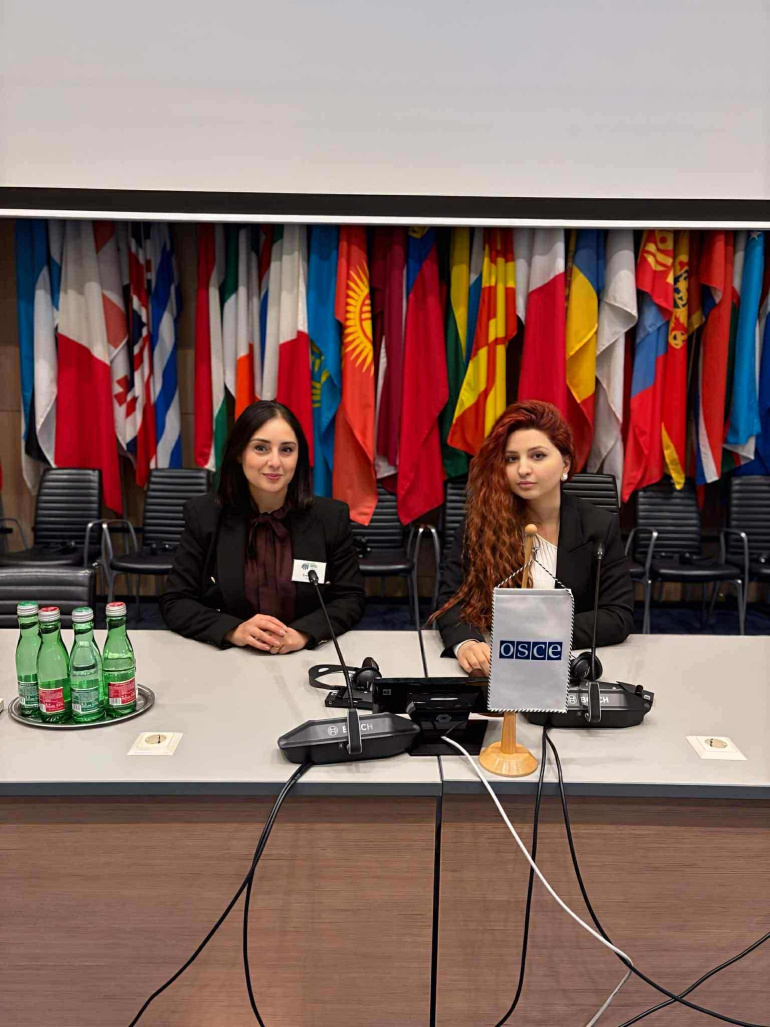
Albert Haroyan, Coordinator of the Dilijan Aarhus Centre, highlighted how the principles of the Aarhus Convention are applied in practice. In May 2024, the Debed, Aghstev, and Tashir rivers overflowed after heavy rains, causing devastating floods in Armenia’s Lori and Tavush regions. Despite forecasts by “Armhydromet,” the intensity and scale of the disaster exceeded expectations.
The Dilijan Aarhus Centre played a crucial role in informing the public and coordinating local community responses. According to Haroyan, active citizen engagement helped mitigate the effects of the floods, although material and human losses were significant.
Mari Chakryan, Legal Adviser at the Ministry of Environment of the Republic of Armenia and National Coordinator of the Aarhus Convention, emphasizes the crucial role of the Dilijan Aarhus Centre in ensuring public participation in the community’s strategic decision-making process.
Chakryan notes, “A well-informed society is a prepared society,” highlighting that disaster risk reduction (DRR) education is essential for building resilient communities. The Centre integrates DRR into local programs, organizes school and community preparedness activities, provides clear information on local risks, and encourages active citizen participation. Access to information, participation, and trust are key to effectively preparing communities to face climate-related and disaster challenges.
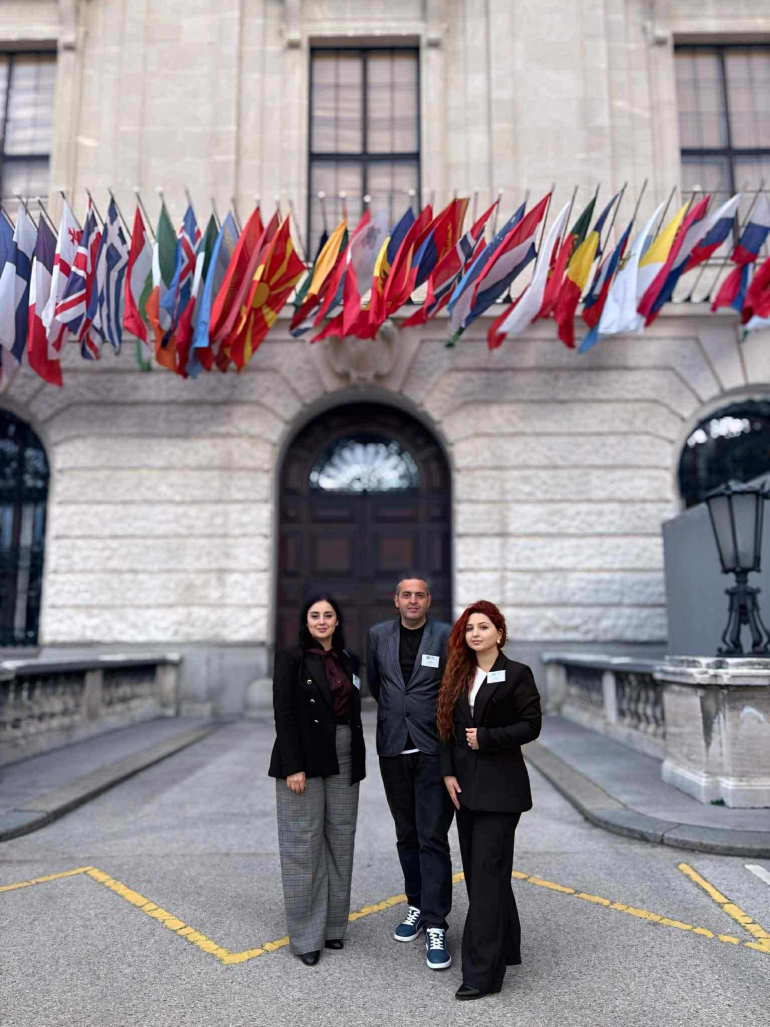
The conference was also attended by Tatevik Lazaryan, an expert from the Public Awareness and Monitoring Center NGO, who, originally trained as a journalist, is currently pursuing a master’s program in Agroecology and Organic Farming at Vienna University of Natural Resources and Life Sciences (BOKU).
The Aarhus Convention guarantees three fundamental rights for citizens: access to environmental information, participation in decision-making, and access to justice in environmental matters. These rights form the foundation for resilient, informed, and proactive communities capable of reducing disaster risks.
Aarhus Centres play a crucial role in helping communities understand and respond to environmental and climate-related risks. They raise public awareness by translating complex information into clear and accessible messages, delivered through community meetings, publications, and online platforms. At the same time, the Centres actively involve citizens in planning infrastructure and climate adaptation projects, ensuring that local communities have a voice in decisions that affect their environment and safety.
Collaboration is another key function of Aarhus Centres. By bringing together government authorities, environmental agencies, NGOs, schools, and the media, they create opportunities for coordinated action and stronger community resilience. Education and preparedness initiatives further strengthen local capacity, with training programs for schoolchildren, farmers, and volunteers equipping communities with the knowledge and skills needed during emergencies. Albert Haroyan emphasizes that building trust and maintaining open dialogue between authorities and the public are essential for effective and timely responses to disasters.
The Annual Meeting of Aarhus Centres in Vienna, combined with Armenia’s practical experience, demonstrates that environmental democracy and citizen participation are essential elements of disaster risk reduction. Acting as a bridge between governments and communities, Aarhus Centres ensure that citizens are informed, engaged, and prepared to face the challenges posed by a changing climate.








 Studio One