 Weather today
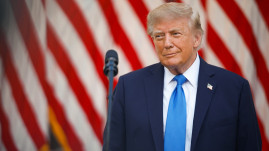
Rutte meets Trump in Washington amid US threat to leave NATO

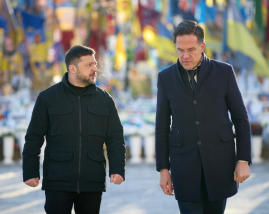
NATO Secretary General Mark Rutte begins a scheduled three-day visit to Washington on Wednesday, amid renewed threats from US President Donald Trump that he is considering withdrawing from the alliance.
Rutte is expected to meet Trump following Tuesday’s last-minute reprieve in tensions with Tehran, which reportedly includes a two-week ceasefire and the reopening of the Strait of Hormuz, although the terms remain unclear.
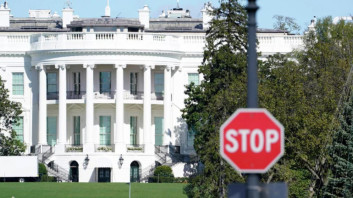
He will meet the US president alongside Secretary of State Marco Rubio and Defence Secretary Pete Hegseth at the White House later on Wednesday.
Rutte is also due to hold talks with members of Congress and deliver a speech at the Ronald Reagan Presidential Foundation and Institute on Thursday.
A key issue during the visit is likely to be frustration in Washington over allies’ refusal to join the United States and Israel in their military campaign against Iran, or to allow US aircraft involved in the conflict to use their airspace.
The decision by several NATO countries has angered Trump, prompting him to criticise European governments and question the value of continued US membership in the alliance.
Trump has long expressed concern over what he sees as America’s disproportionate contribution to European security.
The US president has repeatedly lashed at NATO allies for not helping during the hot phase of the war, calling the alliance a paper tiger without the US. In remarks last week, he said he would reconsider its contribution to NATO and his comments were echoed by Marco Rubio, who suggested the US would reassess its relationship with allies.
Kurt Volker, former US ambassador to NATO under President George W. Bush, said Rutte faces a delicate task in managing tensions with European allies such as Germany, Finland, Spain and France, which have publicly criticised the US-Israel campaign in Iran.
“The messaging from Europe has been terrible,” Volker told Euronews.
He argued that it was unnecessary for those countries to oppose Washington so openly, suggesting it contributed to a backlash against NATO.






 Studio One