 Weather today
Technovation in Stockholm: A Transition in Motion

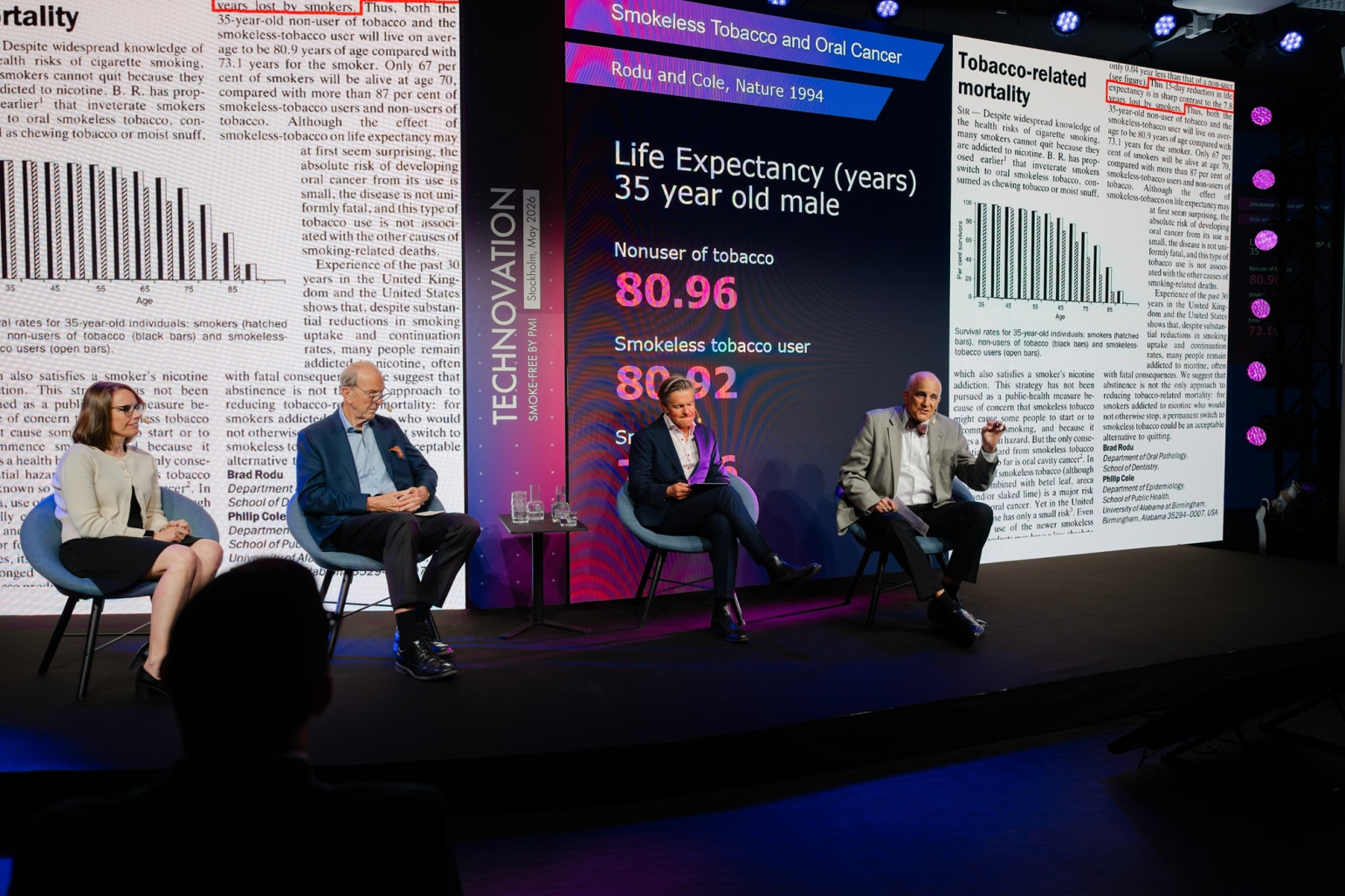
Stockholm hosted this year’s Technovation event, bringing together experts, policymakers, and industry voices to explore the ongoing shift from traditional cigarettes to smoke-free alternatives. Held at a photography museum - an intentional choice - the setting reinforced a central idea: that cigarettes could one day be viewed as artifacts of the past.
The discussions focused on the broader transformation underway across the nicotine and tobacco landscape. Over the past decade, significant investments in research and development have supported the emergence of a range of smoke-free products, reflecting a strategic move away from combustion. Today, these alternatives are reaching tens of millions of adult users globally, signaling a gradual but meaningful shift in consumption patterns.
A recurring theme throughout the event was the challenge of balancing innovation with public acceptance. Speakers noted that new technologies often face skepticism before gaining credibility, particularly in highly regulated sectors. While critical scrutiny is essential, excessive resistance can delay the adoption of potentially better alternatives. Building trust - through science, transparency, and dialogue - was highlighted as a key factor in accelerating progress.
Sweden was repeatedly referenced as a leading example of this transition. With one of the lowest smoking rates in Europe, the country has demonstrated how a combination of consumer adoption and pragmatic policies can drive change. Over the past 15 years, smoking prevalence has dropped significantly, supported by the availability and acceptance of alternatives. The Swedish case was presented as evidence that when adult smokers are offered viable options, change can happen at scale.
Science and consumer behavior were also central to the conversation. Participants emphasized that successful harm reduction depends not only on technological innovation, but on whether alternatives meet the needs and expectations of users. Misconceptions around nicotine and different product categories remain widespread, and addressing them through evidence-based communication was seen as essential.
Another area of focus was the role of travel environments as platforms for awareness and switching. Airports, in particular, were described as unique spaces where millions of adult consumers can be reached, informed, and exposed to alternatives. Combined with digital communication tools, these environments can play a meaningful role in shaping choices.
Ultimately, the event underscored a simple but powerful idea: the transition away from cigarettes is already underway, but its pace will depend on collaboration between industry, regulators, and society. Consumer choice, supported by science and balanced regulation, will remain at the heart of this transformation.
As the conversations in Stockholm made clear, a smoke-free future is no longer a distant ambition - but a complex, evolving reality.








 Studio One