 Weather today
Iran is consolidating control of Hormuz with island checkpoints, diplomatic deals – and sometimes ‘fees’

The tanker crew gathered their courage and carefully navigated along a route designated by Iran, hugging the coastline and maneuvering their hulking vessel between island checkpoints through the Strait of Hormuz.
The 330-metre-long Agios Fanourios I, laden with Iraqi crude oil and bound for Vietnam, had been bottled up off the coast of Dubai since late April. But on May 10 it set off for the strait after a direct deal with Iran overseen by Iraq’s prime minister.
Iran’s orders to the tanker were part of a complex, multi-tiered mechanism that the country has deployed for clearing vessels through the Strait of Hormuz. With Iran now in de facto control of the strait, the system can involve government-to-government arrangements, intense vetting by the Iranian government and sometimes fees in exchange for safe passage, Reuters has found.
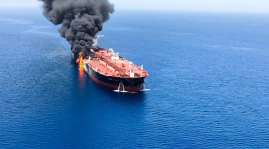
In Vietnam, Iraq, Greece and beyond, the ship’s progress was monitored closely, including by two people interviewed by Reuters. Periodically, the transponder went dark but the Agios Fanourios I sailed on. Not far away that same day, another ship was hit with a projectile, causing a small fire, according to a British maritime safety agency.
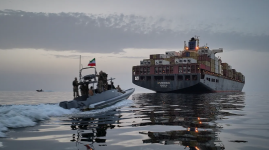
Late on May 10, screens lit up with the icon for the Agios Fanourios I. But as the tanker passed Hormuz Island, it was stopped by Islamic Revolutionary Guard Corps speedboats, according to an Iranian official.
The IRGC fighters patrolling the strait, who had initially let the vessel through, now ordered the ship to halt. The Iranian official said there was a suspicion of smuggled cargo and they wanted to inspect the ship.
Several hours later, the vessel received Iranian authorisation to continue, turning what is typically a five-hour transit through the strait into a two-day ordeal.
“Once we were informed Agios passed Hormuz, we breathed a sigh of relief,” said one of the people monitoring the journey.
No payments were made, said the ship’s manager, Eastern Mediterranean Shipping and six people with knowledge of the passage.
“We have reasons to believe that Iranians turned a blind eye to the transit of Agios Fanourios I, following pressure from Iraq and Vietnam,” Konstantinos Sakellaridis, operations manager for Eastern Mediterranean Shipping, wrote in a response to questions from Reuters.











 Studio One