Չինաստանի իշխանություններն արգելել են հիշել Տյանանմեն հրապարակում 1989 թվականի դեպքերը (լուսանկարներ)

13:55 • 04.06.14

Չինաստանի մայրաքաղաքի իշխանություններն ուժեղացրել են անվտանգությունը՝ 1989թ. Պեկինի Տյանանմեն հրապարակում ցուցարարների դաժան ճնշման 25-ամյա տարելիցին նվիրված միջոցառումներ թույլ չտալու համար, գրում է newsru.com-ը։


Քաղաքի գլխավոր հրապարակի շուրջ տեղակայված են ոստիկանության ուժեղացված ստորաբաժանումներ, ներառյալ՝ ոստիկանության հատուկ ջոկատը։ Ստուգվում են անցորդների փաստաթղթերը։


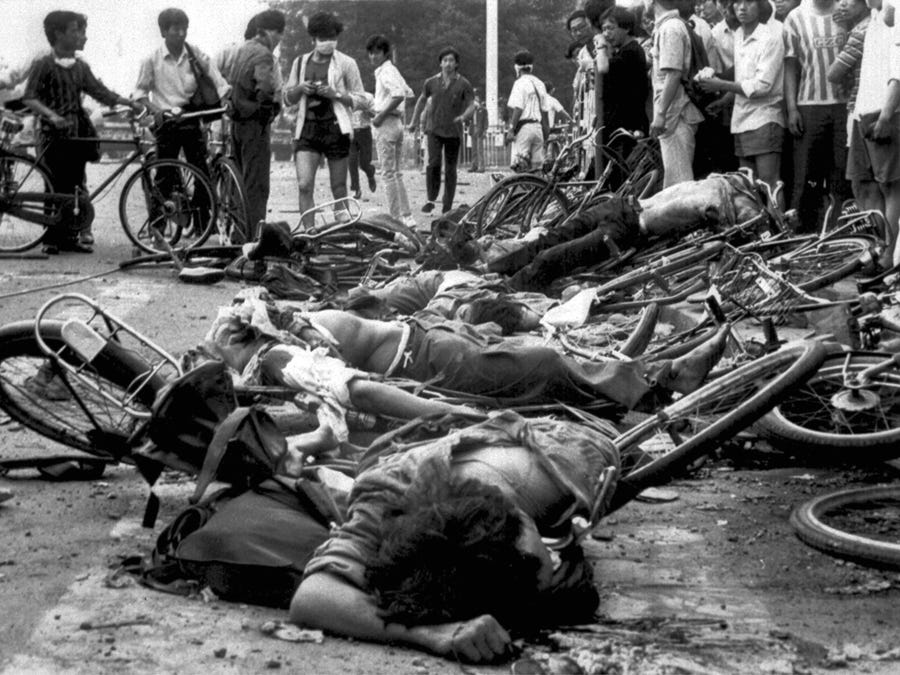
Չինաստանում արգելված են ոչ միայն հիշատակի միջոցառումները, այլև դեպքերի քննարկումը. արգելվում է պատմել ցուցարարների ցրման մասին, որի հետևանքով հարյուրավոր, եթե ոչ հազարավոր մարդիկ են զոհվել։


Վերջին շաբաթների ընթացքում տասնյակ ակտիվիստներ և փաստաբաններ են ձերբակալվել, իսկ արտասահմանյան ԶԼՄ-ներին զգուշացում է արվել այդ իրադարձությունների մասին հրապարակումների «լուրջ հետևանքների» մասին։


1989թ. ապրիլին ավելի քան 1 մլն ուսանողներ և աշխատավորներ դուրս են եկել Պեկինի Տյանանմեն հրապարակ՝ կազմակերպելով կոմունիստական Չինաստանի պատմության մեջ ամենախոշոր բողոքի ակցիան։ Ցուցարարները հրապարակի կենտրոնում վրանային ճամբար են խփել։ Նրանց մի մասը պահանջել է ազատություն և ժողովրդավարություն և բռնապետության վերացում, մյուսները բողոքել են գնաճից և կյանքի վատ պայմաններից։ Ցույցերն ավարտվել են լույս հունիսի 4-ին, երբ ուժայինները կրակ են բացել ցուցարարների ուղղությամբ։ 

man walks past tiananmen gate with mao poster

The protests began in April of 1989, after the death of ousted General Secretary Hu Yaobang.

Many saw Hu as a reformer. He had the support of students, who wanted the Chinese government to continue his pro-market and pro-democracy policies.

Following Hu's official state funeral, some 100,000 students gathered in the Beijing's central square.

An anti-protest editorial in People's Daily on April 26 enraged the students further.

By May 13, a hunger strike had begun and the crowd had grown to 300,000 people.

Martial Law was declared on May 20.

The People's Liberation Army (China's military) marched on Beijing, only to withdraw a few days later. Protestors would lecture the soldiers, asking them to join their cause.

The student protest became split around this time, with no clear leader.

But the students and their supporters were clearly occupying Beijing's central square.

They even unloaded a 30-foot styrofoam statue, modeled on the Statue of Liberty, in the square.

Protestors mocked government

Troops began clearing the square at the start of June.

Protestors resisted.

Most were unarmed but some had rocks and other weapons.

Violence erupted.

Officially, 241 people died.

Other numbers, ranging into the thousands, have circulated, with none confirmed. Many of the deaths happened outside the square, with soldiers firing directly at unarmed protesters.

Many more were injured.

The iconic footage of a man standing up to a PLA tank occurred the next day.

This shot shows the man from another angle. He was reportedly whisked aside by onlookers, but it was unclear what became of him or who he was.

Tens of thousands of people were arrested after the protests, and an unknown number were likely executed.

Officially China still tries to ignore the legacy of the event, with searches on the popular Chinese microblogging site Weibo banned today.

On Friday, five Chinese dissidents testified before U.S. lawmakers about the horror of seeing friends shot dead 25 years ago.

Other Chinese people remember the massacre as it was filtered through the country's state-run TV stations.

The novelist Murong Xuecun recently wrote that China's president President Xi Jinping may be more paranoid than those who came before him.

Despite the paranoia on mainland China, there are still relatively robust protests in Hong Kong.