Հոլանդացի լուսանկարիչը հրապարակել է Մոսուլի լուսանկարները՝ ցույց տալով ԻՊ ահաբեկիչների ավերածությունները (լուսանկարներ)

18:02 • 26.03.21

Իրաքի Մոսուլ քաղաքի՝ «Իսլամական պետություն» ահաբեկչական խմբավորումից ազատագրումից հետո հոլանդացի լուսանկարիչ Թիջս Բրոքքեմփն այցելել է քաղաք ու լուսանկարել այն։

Այս մասին գրել է բրիտանական Daily Mail պարբերականը և նշել, որ լուսանկարիչն առաջին անգամ իր աշխատանքը կատարել է այն ժամանակ, երբ քաղաքում իրավիճակն այնքան էլ ապահով չի եղել։

«Ես լուսանկարչական շրջագայության էի Իրաքյան Քուրդիստանում և նախատեսում էի երկու օր անցկացնել Մոսուլում: Այնուամենայնիվ, ինձ չհաջողվեց ձեռք բերել իրաքյան վիզա, որը ձեզ հարկավոր է Քուրդիստանի տարածաշրջանից դուրս, և որը շատ դժվար է ձեռք բերել: Սահմանն անցնելու առաջին փորձը ձախողվեց: Երկրորդ փորձի ժամանակ մեկ այլ սահմանային անցակետում մենք կարողացանք անցնել այն», – նշել է լուսանկարիչը։

Լուսանկարիչը նշել է, որ շատ ծանր է գիտակցումն առ այն, որ կանգնած ես դաժան պատերազմի հետևանքով առաջացած փլատակների վրա:

Առաջին այցելությունից հետո, որը տեղի էր ունեցել 2017 թվականին, լուսանկարիչը Մոսուլ է վերադարձել 2019-ին և բացահայտել, որ քաղաքում կյանքը սկսել է զարգանալ։

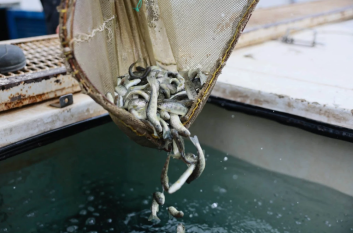
Thijs spent a day in Mosul in November 2019 and snapped this image from the roof of the Al-Saffar MosqueAnother shot taken from the roof of the Al-Saffar Mosque. Thijs said: 'The scale of destruction was the most shocking thing to see for me, just empty skeletons of buildings with gaping holes and walls riddled with bullets holes'Thijs said that this was a typical street scene in Mosul. He explained: 'Although it was busy with people again, especially during the call to prayer, and shops were reopening, the traces of fighting were still clearly visible'While taking his images in Mosul, Thijs said it was 'very hard to fathom that you are standing in the rubble caused by a brutal war'. Pictured is a collapsed roof at an intersection in the old cityThijs snapped this sombre image from a destroyed neighbourhood. It shows the Al-Saffar Mosque and the Our Lady of the Hour Catholic Church, which sits behind itAll that remains of the famous al-Nuri Mosque, which dates back to the 12th century. It was here that former ISIS leader Abu Bakr al-Baghdadi made his first public appearance and urged Muslims around the world to swear allegiance to the caliphate and obey him as its leader. Efforts are now ongoing to restore it. Thijs snapped this image from inside one of the minarets at the Al-Saffar MosqueThe remains of the Our Lady of the Hour Catholic Church in Mosul. Thijs said: 'Mosul was known for an ethnically and religiously diverse population. ISIS destroyed the church by detonating several explosives, although the iconic clock tower is still standing. It is currently being restored by Unesco'The keeper of the Al-Saffar Mosque rests on a street corner. Thijs said: 'What struck me most is the resilience of people. With collapsed ruins in the backdrop, people greeted me with warm smiles and told me there is nothing to do but to move on'About 138,000 houses were damaged or destroyed in the city during the conflict. Thijs revealed that a lot of properties that weren't damaged were still uninhabitable because ISIS had booby-trapped themA fish merchant at the Maydan fishmarket. Thijs said: 'The market was slowly regaining its former status as a buzzing centre of the city. It was one of the first places where people took it up upon themselves to revive commercial life in the city. The merchants started the market without any government support'Thijs explained that most of the fish sold in the market is caught locally in the Tigris River. He added: 'Everybody here was taking their fish off their stands and posing with them for a photo'Thijs said: 'The bustling energy of the fish market was infectious for the surrounding areas. Across the street, more and more closed shutters were going up and once again revealing their merchandise of rich spices'Thijs said this kebab stand was the only place open in the destroyed street where it was located. He said: 'People were coming to smoke water pipe, chat and get some kebab to eat. More and more restaurants were opening and around the corner from this street was a big neon-lit restaurant, almost full with people. Across the road from it was a gigantic skeleton of a blackened building; a grim backdrop against which to pick up your life again. While the people of Mosul are picking up their life again and doing everything they can to return to a sense of normality, the grim reminders of the tragedies that occurred will most likely be around for a while'A group of young boys pose for the camera. Thijs said he is planning to return to Mosul as he wants to 'document the rebuilding of destroyed places like this'A man sits outside his shop on Mosul's Al-Shaziani street. The road had been relaid to fill in craters that had been caused by airstrikes