Աֆրիկյան ցեղը երկվորյակ երեխաների հիշատակին խրտվիլակներ է պատրաստում և դրանց վերաբերվում ինչպես երեխաների (նկարներ, տեսանյութ)

18:41 • 31.08.15

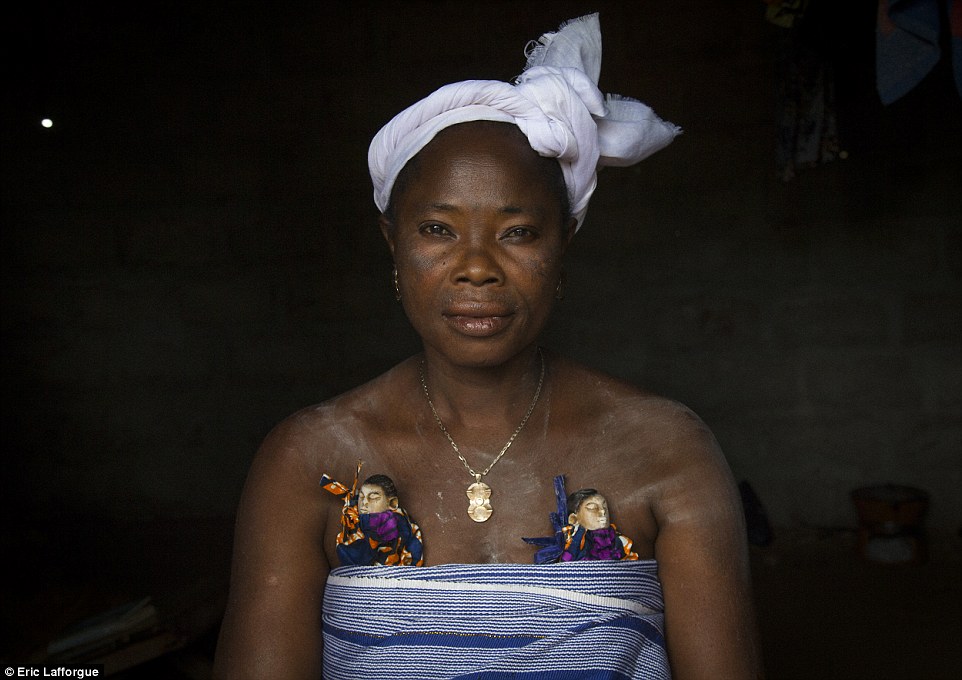
Բենինում (Արևմտյան Աֆրիկա) Ֆոն կոչվող ցեղի անդամները մանկահասակ տարիքում մահացած երկվորյակ երեխաների հիշատակին խրտվիլակներ և տիկնիկներ են պատրաստում և դրանց վերաբերվում ինչպես երեխաների՝ նրանց տանում են դպրոց, լողացնում, կերակրում և այլն, գրում է Daily Mail-ը։


Աֆրիկյան մի շարք երկրներում տարածված հնագույն վուդու կրոնի հետևորդների համար չափազանց կարևոր տեղ են զբաղեցնում երկվորյակ երեխաները։


Նրանք գտնում են, որ երկվորյակների հոգիները բնակվում են տիկնիկների մեջ, և եթե դրանց մասին ընտանիքը հոգ է տանում, ապա դրանք հաջողություն և օրհնություն են բերում, իսկ եթե ոչ, ապա դրանք կանիծեն և դժբախտություններ կբերեն ընտանիքին։


Ֆոն ցեղում զարմանալիորեն մեծ քանակությամբ երկվորյակներ են ծնվում։ Ամեն 20-րդ կինը երկվորյակ է ունենում, սակայն դրանցից շատերը մահանում են, հիմնականում՝ մալարիայից և այլ հիվանդություններից։


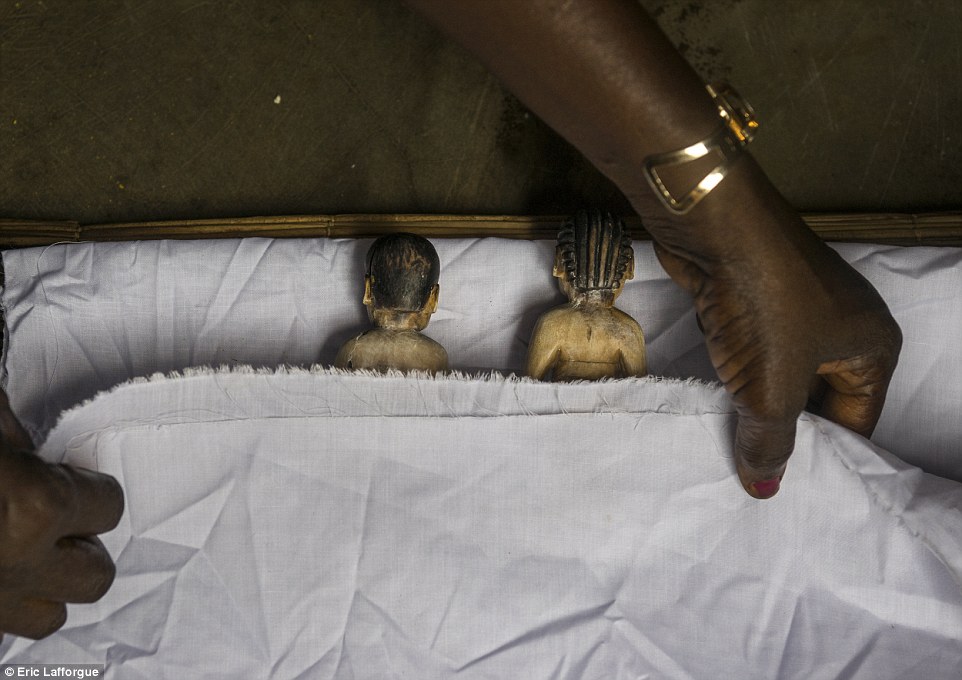
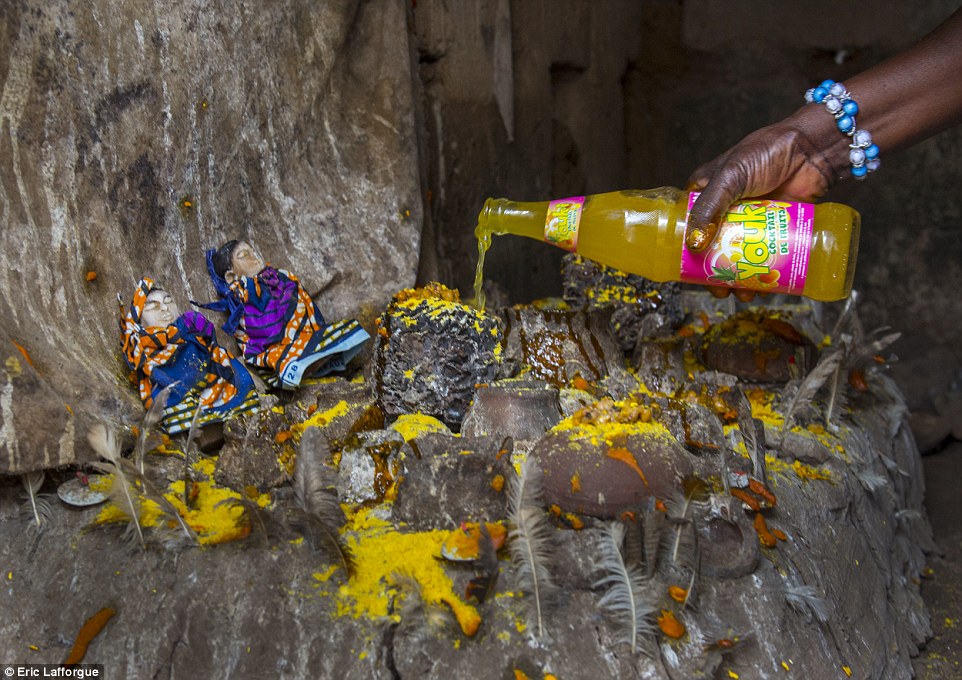
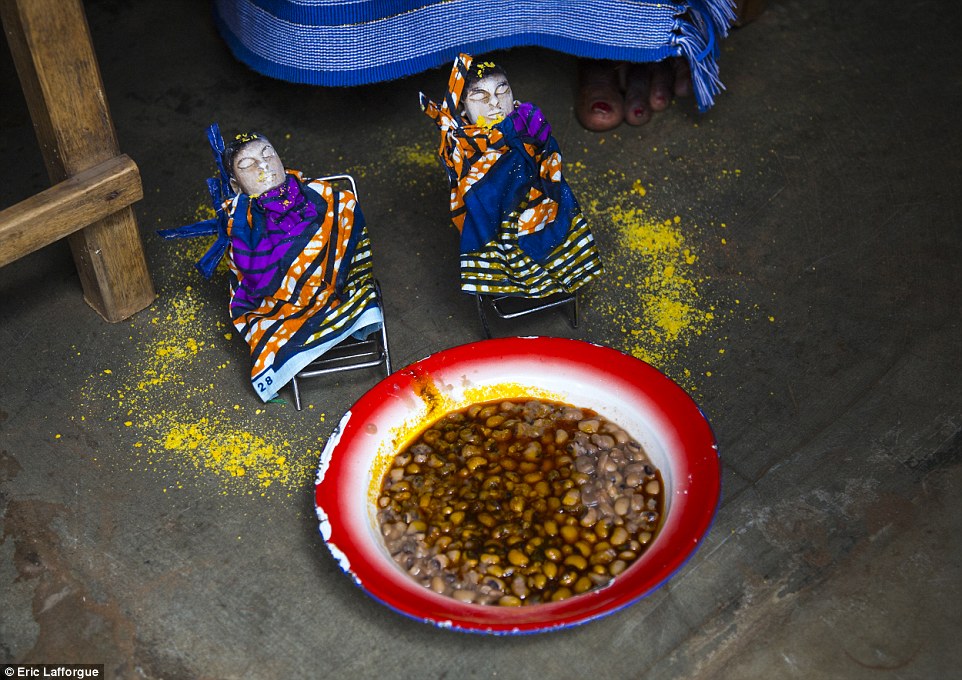
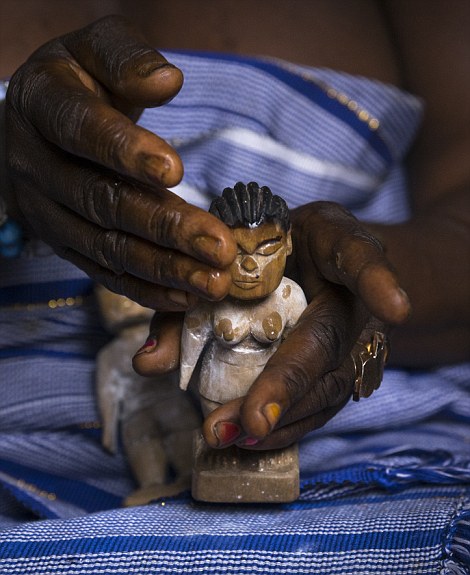
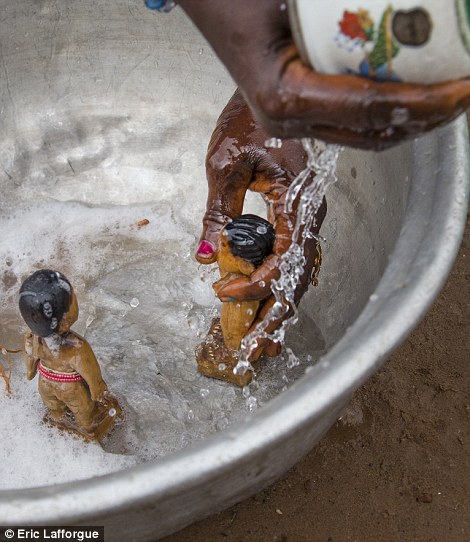
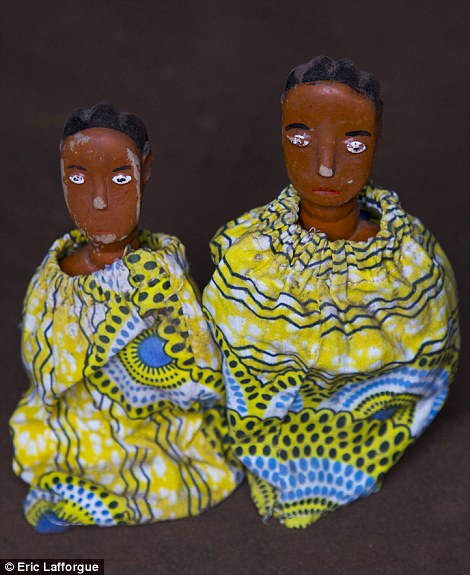
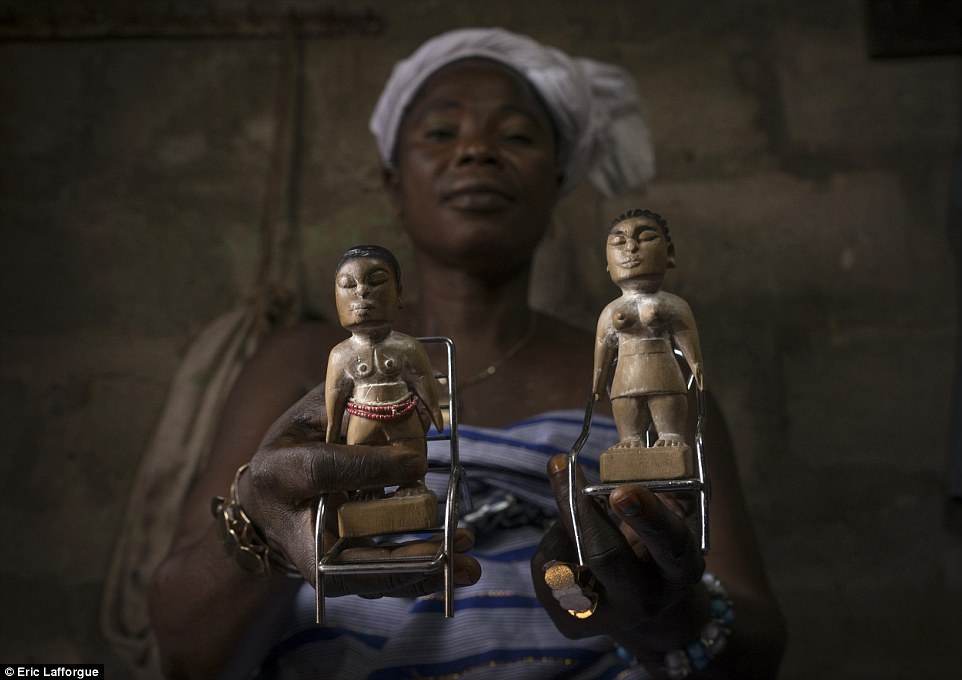
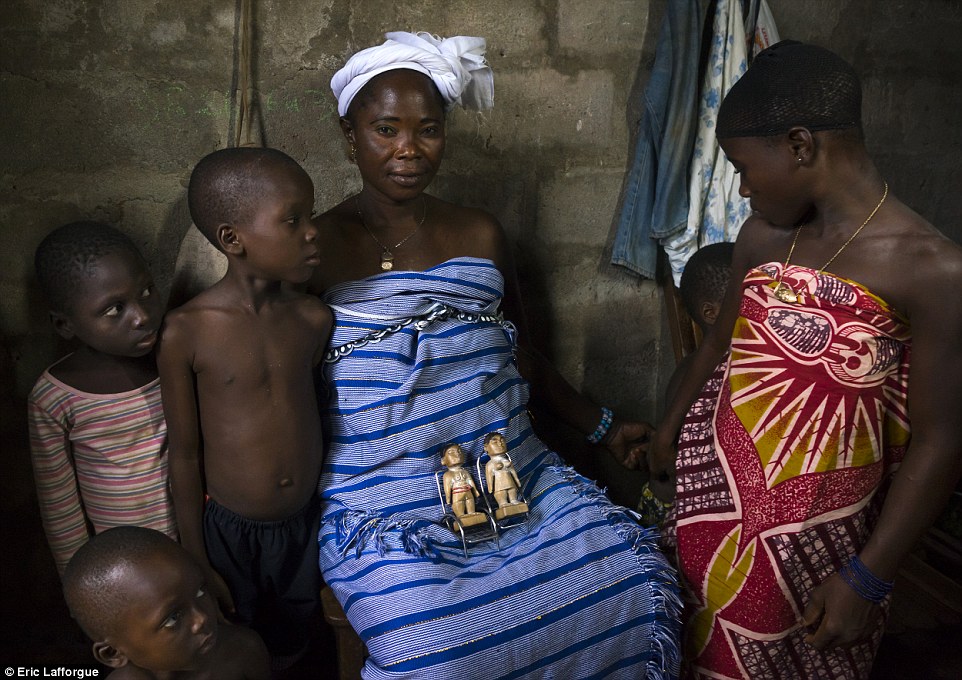
 Hounyoga wipes the dolls with a vegetable sponge and soap (pictured), then she dries them off and sprays perfume on them'When clothing is made for living children, the family doll gets garments cut from the same clothWhen clothing is made for living children, the family doll gets garments cut from the same clothMr Lafforgue asked her how many children she had in total, to which she replied, 'In voodoo, we do not divulge this number. It’s a secret. Because if I tell you how many I have, a clever spirit may hear us and take them from me'Mr Lafforgue also met a woman called Mrs Ablossi (pictured), who lost two pairs of twins and a set of triplets. Since their death, she says she has been blessed with good luck and became a 'Queen' of the tribeCome nightfall, it’s time to put the statues to sleep like children in a bed made from a mat and an immaculate white blanketFollowing the ritual, she tells Mr Lafforgue that the twins are 'pleased' with the care they are gettingAfterwards, she bites a betel nut in half and sprinkles it with spices before offering it to the twinsHounyoga takes the twins to the temple where she feeds the remains of their lunch to a snake deity named DanThe food is accompanied by water and carbonated drinks like Fanta and Coca Cola. In the voodoo belief, sugar is equated with peaceThe dolls are put on tiny metal chairs and offered food every day (pictured) along with the rest of the family A man poses with two of the dolls in the nursery, which are fed, prayed to and carefully looked after in their owners' absence If the family is travelling, the statues are kept at a nursery. Mr Lafforgue visited one such nursery (pictured) and notes that the sheer number of dolls present reflected the region's high mortality rateThe twins bath ends with a spritz of perfume and they are carefully re-dressed by their mother before being taken home Specifically, the doll ritual applies only to twins. Forty per-cent of all twins in the world are born in Africa, and the Fon tribe presents one of the highest rates - accounting for around 1 in 20 births. The extremely high mortality rate means that twins often dieHounyoga wipes the dolls with a vegetable sponge and soap (pictured), then she dries them off and sprays perfume on them'40 per cent of all twins are born in Africa, and the Fon tribe, two members pictured, has one of the highest rates - one in 20 birthsOnce the twins bath is complete, their mother throws the sponge she used into the lake because it is 'contaminated' with evil spiritsThe voodoo twins have their weekly bath in the lake (pictured) - not for the purposes of staying clean but rather to rid them of evil spiritsA Fon mother walks on the beach carrying her two living twins and effigies of another pair that died in infancySpecifically, the doll ritual applies only to twins. Forty per-cent of all twins in the world are born in Africa, and the Fon tribe presents one of the highest rates - accounting for around 1 in 20 births. The extremely high mortality rate means that twins often diePhotographer Eric Lafforgue visited the tribe and was permitted to document their lives and customs. Pictured, Hounyoga with her dollsHounyoga’s husband (pictured) - who collects skulls from dead criminals for voodoo rituals - always takes the dolls when he drives his car to Cotonou, Benin’s capital, and believes they protect him from car crashes Every day, the dolls are cradled, 'fed', scrubbed clean and put to bed on immaculate linens - all in an effort to keep them from being unhappy and cursing the family with evil magic. Pictured Hounyoga with dolls and her surviving children Benin's Fon tribe crafts wooden dolls when their small children die, which they believe possess the child's spirit and have the divine power to bring the family good or bad luck, depending on how well they are treated. Pictured, Hounyoga, whose twins died in infancy